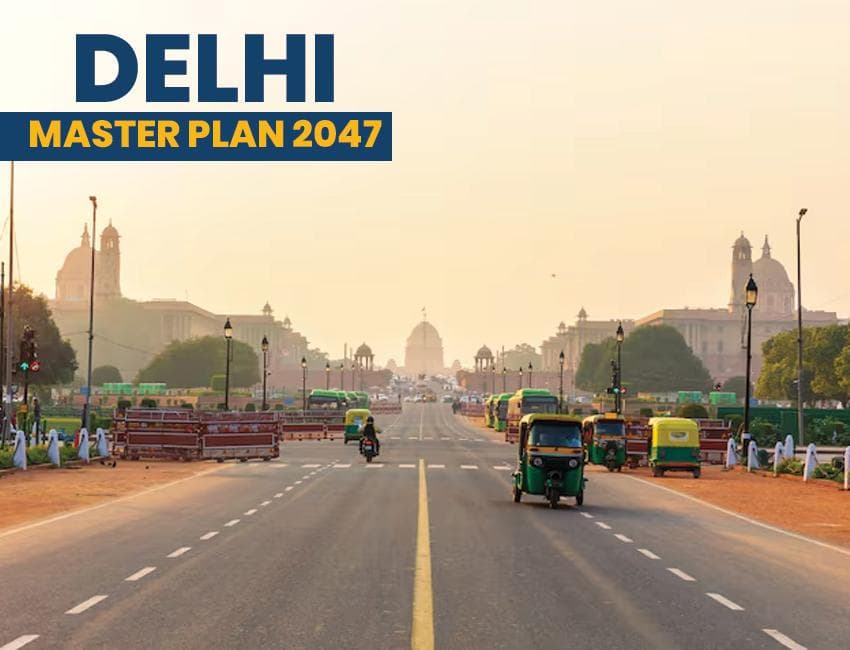
The Indian residential real estate market continues to show robust growth in prices during the first half of 2026, even though there was moderate growth in the sales of housing. Property prices increased across all cities that are tracked in the most recent H1 data for 2026, with Faridabad and Delhi becoming the top-performing cities.
According to the data provided by Trade Brains, homebuyers purchased approximately 1,71,471 houses in 8 major Indian cities in H1 2026, which is about a one percent increase over the same time frame in the year before. While sales overall remained steady, the rising prices of property were a sign of an increasing demand for housing, particularly in major city markets and NCR markets.
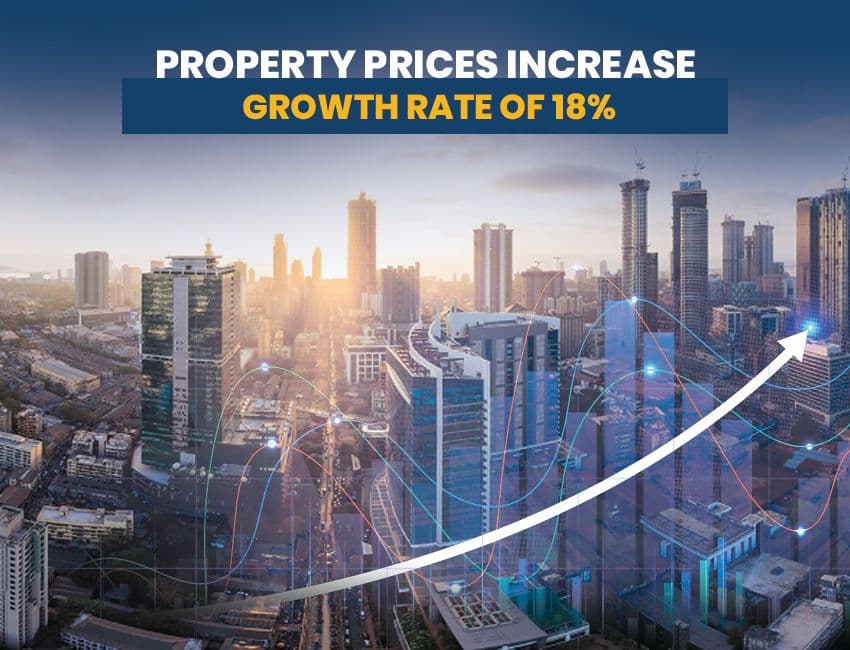
Faridabad and Delhi had the most significant annual appreciation of property prices, with 18%, followed by Ghaziabad, which saw a 15% increase. The impressive performance of these cities demonstrates the ongoing trend in the National Capital Region (NCR) real property market.
Faridabad and Delhi Record 18% Annual Property Price Growth
Faridabad was identified among the fastest-growing housing markets for India in the first half of 2026. Property prices rose by 18% per year, as well as a further 14% over the initial six months. The steady increase indicates continued increasing demand and interest from buyers for residential properties in the city.
Delhi is in line with Faridabad with a year-long price rise of 18 percent. The capital also saw the largest six-month price increase in the entire market, with prices increasing by 16 percent. The average price of property in Delhi was around ₹26,027 per sq metre, which makes it one of the most expensive housing markets in the nation.
Ghaziabad Property Prices Rise 15%
Ghaziabad had the highest annual increase in property prices among the 15 cities in which prices increased by 15 percent. Ghaziabad also recorded an increase of 13% in the previous six months.
The impressive performance of Ghaziabad further highlights the wider improvement trend throughout NCR. Increased connectivity, development of residential areas, and demand for relatively affordable housing options have led to the city's growing real estate market.
Property Price Growth Across 15 Indian Cities
The H1 data for 2026 revealed that property prices were up in every city that was included in the study. The results varied widely across regions as well, with NCR markets taking several spots on high positions.
1. Faridabad - 18% Growth
Faridabad reported an 18% annual increase in the value of property. Prices grew by 14% over the initial six-month period of 2026. This makes Faridabad one of India's fastest-growing residential markets.
2. Delhi - 18% Growth
Delhi also saw annual growth of 18% as prices grew by 16% over the course of six months. The median property cost was approximately Rs 26,027 per square meter.
3. Ghaziabad - 15% Growth
Ghaziabad witnessed an increase of 15% in home prices. Prices increased an additional 13% in the previous six months, highlighting the strong growth across the NCR region.
4. Bengaluru - 9% Growth
Bengaluru has recorded a 9 percent annual growth in property prices, which is the highest of the largest cities in southern Asia. Sales of housing rose by around 5% over the course of the year, driven partially by the constant demand from the IT and technology sector.
5. Noida - 8% Growth
Noida recorded an increase of 8% in home prices, whereas prices grew 4% at the beginning of the year. High-end housing continues to perform exceptionally across all of the NCR market, which indicates steady demand for higher-value homes with higher value.
6. Hyderabad - 7% Growth
Hyderabad saw 7% annual property price growth, which was a 7% increase. Sales of homes increased by just 1percent, whereas new project launches fell to 2%, indicating that the market is more cautious.
7. Gurugram - 6% Growth
Gurugram saw an annual increase of 6% in the prices of residential properties. With an average price of about ₹18,354 per sq metre, it was one of the most expensive real estate markets across the NCR.
8. Greater Noida - 6% Growth
Greater Noida also witnessed an average of 6% annually in price increase. Prices rose by 2% in the initial six-month period of 2026. This reflects an ongoing increase across the NCR housing market.
9. Chennai - 5% Growth
Chennai has recorded the highest growth rate of 5% in the value of property. Sales of housing rose by two to three percent per year, and Chennai also saw one of the highest inventory clearance rates of the main cities.
10. Mumbai - 5% Growth
Mumbai experienced the city's property prices increase by 5% annually. increase brought the average price of property to Rs 36,881 per square meter. Mumbai remained India's biggest housing market in terms of the number of homes sold, with approximately 47,355 homes sold in H1 2026.
11. Pune - 5% Growth
Pune witnessed a growth of 5% per year in the cost of property. The city was notable for its impressive supply growth in the form of new residential launches, growing by 17% year-on-year. The fastest growth rate among the major cities that are covered.
12. Kolkata - 5% Growth
Kolkata witnessed a 5% increase in the value of property, with average prices of about Rs 5,942 per square meter. The sales of homes increased by 2% to 3% year-on-year, while new construction decreased by five percent.
13. Thane - 4% Growth
Thane has registered the highest growth rate in the cost of property. With an average of approximately Rs 14,948 per square meter, the city continues to offer comparatively affordable options for housing.
14. Ahmedabad - 3% Growth
Ahmedabad saw a 3% annual growth in property prices and averaged prices of around Rs 4,826 per square meter. However, the city was home to the lowest rate of inventory clearance among the eight markets that were tracked.
15. Navi Mumbai - 3% Growth
Navi Mumbai saw a growth of 3% per year, which is the slowest-growing market of all the cities included. Prices also increased by 3 percent over the past six months, and average home prices were around Rs13,788 for a square meter.
Why Are Property Prices Rising Despite Moderate Sales?
The rising cost of housing is occurring at a time when the overall growth in sales of homes has been relatively low. One of the main reasons is the growing contribution of luxury and high-value homes to the overall residential sales.
Homes priced over ₹1 crore accounted for 54% of all homes sold, compared to 49% in the same time frame the previous year. This shows that the luxury market for housing is playing a bigger part within the market overall.
Developers have largely avoided major reductions in overall property costs. Instead, they are making use of incentives like flexibility in payment options, stamp duty exemptions, and subvention schemes in order to lure potential buyers.
This method allows developers to keep the property's value while also giving buyers financial advantages, which can make buying more appealing.
NCR Continues to Show Strong Real Estate Momentum
The results that were recorded in Faridabad, Delhi, and Ghaziabad illustrate that NCR remains a significant area of appreciation for residential properties. Noida, Greater Noida, and Gurugram also saw an increase in price each year but at different rates.
The steady rise in prices for homes across these markets suggests the demand is still strong despite flat sales of housing overall. Opportunities for employment, infrastructure development, connectivity enhancements, and an increasing interest in luxury housing are just a few of the reasons that support the residential market in the region.
The H1 2026 data are also a reminder of how important it is to compare different cities instead of considering all of the NCR market as one segment. The rate of appreciation in housing prices and demand for homes will vary greatly across cities, and across different locales in the same town.
What Does H1 2026 Mean for the Indian Housing Market?
The H1 2026 real estate residential report shows a market in which prices are increasing more quickly than sales volume. The 1percent increase in the number of homes sold across eight cities indicates that the demand for homes has remained steady; however, the increase in prices across all cities suggests that there is a continuing upward pressure on the value of residential homes.
Northern markets, in particular Faridabad, Delhi and Ghaziabad, recorded the biggest appreciation. However, Bengaluru remained the leading southern market in terms of annual increase, whereas Mumbai was still the most dominant in terms of sales volume.
The overall picture for the 1st quarter of 2026 points to the resilience of the Indian residential real estate market. With high-end housing accounting for an increasing portion of transactions and developers relying more on incentives from buyers instead of direct price reductions, price increases for property may remain an important concern for homebuyers as well as investors and developers throughout the rest of this year.
Read More: Delhi Construction Workers to Get 24x7 Healthcare 10 Lakh Family Cover
Source: Business Today