Real Estate Revival on the Horizon with Bengaluru’s Yellow Line Metro
Infrastructure

Real Estate Revival on the Horizon with Bengaluru’s Yellow Line Metro

Bengaluru will witness an important change in the field of urban real estate and mobility as the highly-anticipated Yellow Line of the Namma Metro will be...Read More

August 13, 2025
|
300
|
0
|

Real Estate Revival on the Horizon with Bengaluru’s Yellow Line Metro

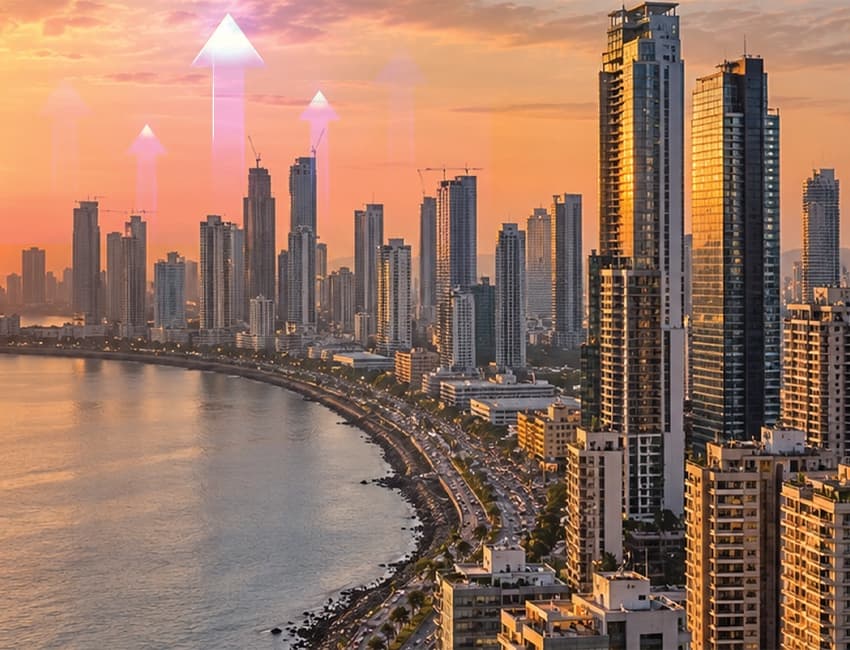
Bengaluru will witness an important change in the field of urban real estate and mobility as the highly-anticipated Yellow Line of the Namma Metro will be officially inaugurated by Prime Minister Narendra Modi on August 10, 2025, which is well ahead of the original date, which was August 15.

The 19.15 km high-speed corridor that includes 16 stations strategically placed runs between Road (Jayanagar) up to Bommasandra, substantially increasing connections to Electronic City, Silk Board, and BTM Layout.

Commute Revolution & Real Estate Uplift

Experts believe that the Yellow Line will ease traffic congestion in the southern part of Bengaluru and will serve more than 8 lakh commuters every day..

This metro launch is likely to result in a surge in the demand for homes as well as an increase in property values of 10 percent in the most important areas, such as Electronic City.

Electronic City: The Biggest Winner

Electronic City, known as a major IT and manufacturing hub, is a city that has suffered for years with limited public transport connectivity. However, the Yellow Line changes completely.

Expected Impact:

  • Rental Price Hike:

    • 2BHK - Rs30k/month

    • 3BHK - Rs40k/month

    • 1BHK - Rs20-25k/month

  • Commercial Lease Rates starting at Rs30/sq ft and a rise in interest of multinational companies.

  • Pricing of Properties is expected to increase from 70 lakh to around the range of Rs 80-90 lakh.

  • Investor Hotspots: Kudlu Gate (Rs8k-12k/sq ft).

Metro-Driven Growth in Peripheral Bengaluru

The Yellow Line is reshaping the dynamics of real estate on the outskirts of cities:

  • Hosur Road: 15-20% annual price growth.

  • Sarjapur, Bannerghatta, KR Puram: 5-40 percent rental and price increases in the next 2 years.

Proximity Premium: The Metro Advantage

In the past, properties situated within 500m of a metro station have experienced an increase of 20-40% in value. Since the Yellow Line has been in operation, new corridors will be more sought-after and yield on rental income:

  • Southeast Bengaluru: 10-20% rise.

  • Northern Bengaluru: 20-28% rise.

Shift to Premium & Mixed-Use Projects

Developers are moving from mid-tier homes to high-end housing in the Yellow Line:

  • Hosur Road: The demand for 3BHK and bigger layouts is rising.

  • Sales are up 45 percent compared to levels prior to COVID.

  • Mixed-use, co-living, and community gates are growing near stations.

  • Hubs for commercial use: Information technology parks, coworking areas, and retail complexes that are growing.

Investor Confidence & Future Growth

  • Price hikes immediately following announcements of 10% are observed in many regions.

  • Areas in the fringes, such as Devanahalli, Yelahanka, and Bommasandra, today are hotspots.

  • Metro extension (Pink & Red lines + Phase III) will enhance the city's appearance.

Challenges Ahead

Although growth is inevitable, issues such as Phase II delays, budget overruns, and operational issues remain. However, the Yellow Line's arrival is anticipated to alter Bengaluru's real estate market, increasing accessibility, affordability, and opportunities for investment.

Source: hindustantimes.com

Leave Your Comment

Trending News Post

Mumbai, BMC's Improvements Committee Clears Proposal to Allow High-Rise Buildings on Narrow Roads

Mumbai, BMC's Improvements Committee Clears Proposal to Allow High-Rise Buildings on Narrow Roads

Mumbai: The Brihanmumbai Municipal Corporation's (BMC) Improvements Committee has cleared a proposal to relax building height restrictions on narrow roads across the city. This forms part of a proposed amendment to the Development Control and Promotion Regulations (DCPR 2034). Final approval is still awaited from the Maharashtra State Urban Development Department.  If it is implemented, the plan will significantly increase redevelopment opportunities and enhance land utilization in the densely populated areas of Mumbai. What Has Changed in the Proposal? The construction of high-rises in Mumbai was only permitted on roads with at least 9 meters wide. This policy was designed to facilitate access for emergency services, such as ambulances and fire engines. Under the proposed graded-height relaxation: Constructions built that are built on 3.6-metre-wide roads can be up to 32 meters (approximately 10 storeys) The construction of buildings that are built on 4.5-metre-wide roads can reach up to 70 meters (21-23 floors) Roads that measure 6 meters wide can reach up to the 120-metre mark (31-32 stories) Roads of 9 metres or greater will be permitted to continue to permit structures over 120 metres Safety Norms Remain Strict Despite the proposal to relax height limits, safety is an important consideration. Every project will need to adhere to the fire safety rules, which include: completely Mandatory Not Objection Certificate (NOC) issued by the Fire Brigade Appropriation from the High-Rise Committee (where applicable) Complete compliance with the prescribed fire safety guidelines and emergency access rules Officials have stated that permits can only be granted following an exhaustive verification of all security measures. Impact on Redevelopment and Real Estate Mumbai has more than 40,000 structures that are over 30 years old. A lot of them are in dire need of renovation. For instance, in South Mumbai, several structures are between 70 and 80 years old. Redevelopment of these structures was usually halted because of the narrow access roads, poor Floor Space Index (FSI), and the strict height requirements. If the plan is approved, then it will be anticipated that it will: Redevelopment accelerates the deterioration of old buildings The number of new homes Offer more housing options in prime, previously limited locations This could help stabilize prices for properties due to the increase in supply Expert Opinions: Opportunities and Concerns Real estate and urban planning experts have praised the plan; however, they have also raised crucial issues. Planner for the town, Pankaj Joshi, emphasized that building levels should be increased only after a proper infrastructure, particularly for emergency services, has been put in place. Key Challenges: Traffic congestion is getting worse in already congested areas Additional cost on the water supply, sewage system, and electric systems The difficulty of ensuring access to emergency services during emergencies The risk of over-densification Some experts have recommended that the government should simultaneously upgrade the civic infrastructure in order to facilitate this vertical expansion. What does this mean for Homebuyers? If the plan is approved for final approval, homebuyers could be able to benefit from: New homes There are more options for redeveloped communities with modern facilities Possibly better price negotiations because of the increased supply Easy access to home loans for planned housing projects Future Outlook The proposal was approved by the BMC's Improvements Committee and is now waiting for final approval from the state's city development department. After being approved, the plan could transform Mumbai's skyline and establish a precedent in other Indian cities with similar land restrictions. Conclusion The plan to permit high-rise construction on narrow roads is an important step toward urban change in Mumbai. Although it presents substantial opportunities for redevelopment and the expansion of housing, its success will depend largely on how well infrastructure development can keep up with the increasing construction activity. Read More:  Mumbai Real Estate News: Goregaon Penthouse Breaks Record with an amount of Rs 55 crore in the Western Suburbs Source: India Times

May 2, 2026|
1496
|
0
Sohna to Get Metro Connectivity Soon!

Sohna to Get Metro Connectivity Soon!

Location: Sohna, Gurugram (Panchayat Kesari) Great news for Sohna residents! The long-awaited metro extension from Gurugram's HUDA City Center to Sohna is set to become a reality. Haryana Chief Minister Manohar Lal Khattar has assured that the government is working towards this much-needed infrastructure development. Key Highlights:✅ Metro Extension Approved: Plans to connect Sohna with Gurugram via metro are in progress. ✅ Boost to Development: With 1,500 acres of land earmarked for IT and industrial projects, metro connectivity will enhance economic growth. ✅ Government’s Commitment: The Chief Minister has emphasized fast-tracking approvals and securing funds for the project. ✅ Better Connectivity & Investment Opportunities: The metro will improve travel convenience and attract investors to Sohna’s expanding residential and commercial sectors. Experts believe that the metro extension will not only ease daily commuting but also significantly reduce traffic congestion on major roads connecting Gurugram and Sohna. Additionally, real estate prices in the region are expected to rise, making it a prime location for future development. Authorities are actively working to speed up the process, ensuring that Sohna gets its metro connectivity soon. Stay tuned for more updates!

March 27, 2025|
1455
|
0
Delhi-Mumbai Expressway 82 percent Complete

Delhi-Mumbai Expressway 82 percent Complete

The construction of the Delhi-Mumbai Expressway, which is set to become India’s longest Greenfield Expressway, is advancing rapidly. Union Minister for Road Transport and Highways, Nitin Gadkari, announced that the project is expected to be completed by October 2025 in a recent update to the Rajya Sabha. The extensive infrastructure project covers a total length of 1,386 kilometers and is being developed in 53 segments. As of June 2024, work on 26 of these segments has been finalized, resulting in a physical completion rate of 82%. To date, 1,136 kilometers of the expressway have been constructed. This critical project aims to improve connectivity between major economic centers including Delhi, Uttar Pradesh, Haryana, Rajasthan, Madhya Pradesh, Gujarat, and Maharashtra. According to the detailed project report, the new expressway will shorten the distance between Delhi and the Jawaharlal Nehru Port Trust (JNPT) in Mumbai by approximately 180 kilometers. Additionally, it is projected to reduce travel time by up to 50% for various destinations along the route. In a related update, Gadkari also reported that as of June 30, 2024, there are 983 user fee plazas currently operational on National Highways throughout India

August 20, 2024|
1228
|
1
NMRC to Revise Greater Noida West Metro Corridor Plan, Phase 1 to Have Only Four Stations

NMRC to Revise Greater Noida West Metro Corridor Plan, Phase 1 to Have Only Four Stations

In an important development for the people living in Greater Noida West, the Noida Metro Rail Corporation (NMRC) has decided to amend the detailed report (DPR) for the proposed metro corridor within the region. Instead of building the planned 11 stations in the initial phase, the company is now focusing on developing only four stations in Phase 1. The decision was made shortly after it was announced that the Union Cabinet approved the extension of the Aqua Line to Botanical Garden to Sector 142. While the extension has been appreciated, doubts continue to remain over this long-awaited Greater Noida West metro link, which has led to authorities reassessing the alignment of the project and its extent. Four Stations Planned in First Phase The revised proposal states that the first phase of the line will comprise metro stations located at: Sector 61 Sector 70 Sector 123 Greater Noida Sector 4 (Gaur Chowk) In the past, the corridor was designed as an 18-kilometre stretch linking the Delhi Metro's Sector 61 station along the Blue Line to Knowledge Park V in Greater Noida. The route included stops for crucial commercial and residential areas, including 70 and 122, 123 Greater Noida Sector 4, Ecotech 12, as well as sectors 2, 3, 10, and 12 within Greater Noida. While there was evidence that the Uttar Pradesh government had approved the alignment in 2024, it was the Ministry of Housing and Urban Affairs (MoHUA) that delayed final approval due to concerns over the parallel rail corridor plan. Rapid Rail Corridor Impacting Decision The proposed Ghaziabad-Jewar speedy rail corridor, which is planned to traverse Greater Noida West, has significantly influenced the NMRC's new strategy. The rail rapid project, which will have 22 stations scheduled to begin at Ghaziabad, Ghaziabad RRTS station located on the Delhi-Meerut line, and go via Siddharth Vihar, Char Murti Chowk, Knowledge Park V, Surajpur, Alpha-1, and eventually end at the planned Noida International Airport in Jewar. The project's report, which is detailed for the rail corridor with a rapid speed developed by NCRTC, The report suggests that the project can be completed in five years from approval. In the past year, when examining the proposal for rapid rail, central authorities spotted the possibility of duplicate stations that could exist in the Aqua Line extension and that of the RRTS corridor. In the end, an alignment review was suggested to ensure that there was no redundancy or financial inefficiency. However, YEIDA later clarified that the rapid rail alignment of 72km will remain the same. NMRC Clarifies Its Position NMRC officials said that although the previous DPR had been a proposal to extend metro connectivity until Knowledge Park V, the existence of the RRTS proposal to extend the stretch that extends beyond Gaur Chowk prompted a phased approach. In the new strategy, NMRC will develop the metro line that runs from Sector 61 up to Greater Noida Sector 4 (Gaur Chowk) in the first phase. The remaining stretch could be developed by NMRC or the RRTS authority, based on future approvals and funding approvals. Sector 61 is anticipated to be a vital interchange station that connects users directly to the Blue Line of the Delhi Metro network. The interchange will substantially improve the connectivity of daily commuters who travel between Delhi and Noida. Residents Express Growing Frustration While officials debate the alignments and divisions of projects, the residents in Greater Noida West continue to be angry over the length of the delays. Greater Noida West, also called Noida Extension, has witnessed rapid growth in residential housing in the last decade. It has more than five lakh people living in high-rise housing communities and villages that surround them. But, in spite of its large number of residents and the high demand for housing, the region is still without an efficient mass public transportation system. Without metro connections, residents rely on auto-rickshaws, private vehicles, and taxis to travel to their workplaces within Noida, Greater Noida, and Delhi. The constant congestion of traffic, the rising costs of fuel, and longer travel times have increased the stress of commuters. Local residents' welfare organizations have raised questions about why an earlier approved DPR has to be rewritten. According to them, changes to alignment have resulted in delays to projects that were not needed. Residents have been threatened to stage protests if prompt actions are not taken. Some have expressed concern that the project is being pushed into the background despite the large population density and the rapid growth of commercial activity. Connectivity to Noida International Airport One of the main influences on the rapid rail alignment and metro choices is the planned Noida International Airport in Jewar. The rapid rail corridor that is rapid is expected to offer direct connections to Ghaziabad with the Airport, and pass between Greater Noida West and Knowledge Park V. They believe that when it's completed, the Metro and Rapid Rail infrastructures will dramatically enhance connectivity throughout the region, connecting residential areas together with hubs for commercial activity, industrial zones, and the airport corridor. The station proposed at Greater Noida Sector 4 (Gaur Chowk) will be the primary connectivity point in the new metro plan. Furthermore, the station for rapid rail located at the same spot could improve the integration of transit and cut down on commute time in the NCR region. Real Estate Market Impact From a perspective of real estate from a real estate perspective, the new metro project is likely to have an impact on the value of property for properties in Greater Noida West. Projects in infrastructure, specifically metro connectivity, tend to improve buyer confidence and increase investment activity. Local developers have, for a long time, advertised the possibility of metro connectivity as an important benefit. But uncertainty regarding timelines has dampened investor enthusiasm recently. In the event that Phase 1 construction is completed shortly, the sectors 61 and 70, 123, along with Greater Noida Sector 4, could be experiencing an increase in demand for housing. Greater connectivity to the Delhi Metro's Blue Line may also strengthen the rental market for working professionals. What Lies Ahead While the new DPR indicates progress, a number of approvals and funding clearances remain needed before construction can commence. Authorities must coordinate closely to avoid any overlap between the rapid rail and metro infrastructure. At present, residents are waiting for the clarity of timelines and implementation timetables. Infrastructure plays a crucial part in determining Greater Noida West's future, and the speed of implementation is crucial. The next few months will decide whether the updated Four-station Phase 1 plan accelerates metro connectivity across the region, or triggers more delays in the process. In the meantime, Greater Noida West continues to manage rapid urban expansion and the urgent necessity for an efficient public transportation infrastructure. Read More: NCR’s Real Estate Evolution: New Corridors Redefine the Region’s Growth Map Source: Indiatimes

February 21, 2026|
1180
|
0
YEIDA Plot Scheme 2026 Launched Near Noida Airport

YEIDA Plot Scheme 2026 Launched Near Noida Airport

The Yamuna Expressway Industrial Development Authority (YEIDA) has announced its highly anticipated Residential Plot Scheme 2026, which offers a unique opportunity for buyers and investors to acquire land near the fast-growing Noida International Airport. With the growth of infrastructure increasing across the Yamuna Expressway region, this scheme is already attracting attention due to its strategically placed site, affordable pricing, and a transparent process for allotment. The project comprises 973 housing plots that are spread across Sectors 15-C, 18, and 24, which are thought to be among the most promising zones within the Yamuna Expressway corridor. These are all part of the overall Yamuna City development plan, which aims to build an urban hub that is modern and features world-class infrastructure, connectivity, and amenities for living. Plot Sizes and Distribution A major and attractive feature of the YEIDA Plot Scheme 2026 is the range of sizes that are available, catering to different budgets and requirements for housing. According to the brochure, the plots are allocated according to the following: 162 sqm = 4 plots 183 square meters 4 plots 184 sqm = 4 plots 200 sqm = 4 plots 223 sqm = 6 plots 290 sqm = 2 plots Most plots fall into the 200 sqm and 162 sqm range, which makes them available to middle-income buyers, but still provides enough space for modern residential construction. The lack of larger plots adds an element of exclusivity to buyers who want more space. Pricing Structure and Additional Charges YEIDA has established the land price at 36,260 per square meter, which is considered to be competitive due to its proximity to the proposed international airport as well as the upcoming infrastructure projects. The amount of registration varies based on the size of the plot Rs 5.87 Lakh for 162 sqm of plots Rs6.63 per sq meter plot for 183 square meters Rs6.67 lakh for an area of 184 sqm Rs7.25 lakh for plots of 200 sqm Rs8.08 lakh to buy 223 square meters of plot. Rs 10.51 lakh to buy 290 square meters of plots Alongside the basic price, some plots are subject to a 5% increase under the preferential location charge (PLC). This is the case for plots that fall into the following categories: Park-facing It is situated in green belts They are located at the corners. Roads facing the other that are at least 18 meters wide These additional costs represent the more desirable and long-term potential of these areas within the project. Application Process and Timeline The process of applying for the scheme was created to be entirely digital, which will ensure the transparency of the process and easy access. Applications were accepted on the 6th of April, 2026, and must be submitted via the official YEIDA website. All applicants are required to submit a non-refundable cost of Rs600. The application fee is processed by an internet-based payment processor. Importantly, applications that are not submitted in person or via manually made payments are not accepted, which reinforces the authority's commitment to a smooth and secure system. The allocation of land will be done by drawing lots, which is a procedure that is commonly employed in housing programs run by government agencies in order to guarantee fairness. Draws will be held separately for various plot types to increase the chance of a fair distribution. Eligibility Criteria YEIDA has set out strict guidelines on eligibility to stop fraud and ensure that only genuine applicants can benefit from the program. The most important requirements are: The applicant must be at least 18 years old One application per person is permitted. applicants who have been allocated flats or plots under any prior YEIDA programme aren't considered eligible Multiple allotments that are linked with the same household (including minor children or spouses) could result in the loss and cancellation of funds. Joint applications are allowed, however, only between immediate family members, and the proof of connection must be presented. It is important to note that Hindu Undivided Families (HUFs) are not eligible for application under this scheme since it is exclusively reserved for individuals. Payment Terms and Lease Details To be eligible for the draw, participants must pay 10% of their total amount as an entry fee. If you are assigned an area, the amount will be adjusted to the cost total. The remainder of the amount due must be paid within 60 days of the date of issue of the allotment letters. In rare cases, YEIDA may grant an extension of up to 30 days, but the conditions for this are. The plots in these plans will be assigned in a 90-year lease that is typical for these developments throughout the country. The lease is long-term and provides enough protection for residential construction and for investment purposes. RERA Approval and Official Statement The scheme has been granted obligatory registration from the Uttar Pradesh Real Estate Regulatory Authority (UPRERA), which adds an extra layer of credibility and legal protection to buyers. RERA registration assures compliance with standards set by regulators and safeguards the rights of consumers. In announcing the launch, Shailendra Bhatia, the Additional CEO of YEIDA, stressed the importance of the initiative, saying: This is a fantastic chance for people to purchase a piece of land located in Yamuna City. There, world-class facilities are readily available to people." His remarks reflect the wider concept behind the project, which is to transform the Yamuna Expressway region into an important commercial and residential center. Strategic Importance of Location The close proximity to Noida International Airport, which is also called Jewar Airport, is a significant factor driving the attraction of the plan. The airport is anticipated to be one of the biggest airports in Asia, which will boost jobs, economic activity, and demand for real estate in the vicinity. Furthermore, the region has a strong connection through the Yamuna Expressway and also plans for infrastructure projects, such as logistics hubs, metro extensions, and industrial corridors. These projects are expected to increase the value of property over the years, which makes the project appealing not just to end-users but also to investors. Growing Interest Among Buyers Since its launch in the year 2000, it has been announced that the YEIDA Plot Scheme 2026 has attracted a lot of interest from prospective buyers. The combination of reasonable pricing, a strategically placed location, and an open allocation process has made it one of the more exciting residential developments available in the National Capital Region (NCR). Experts in real estate believe that investing early in these plans could bring in substantial profits, particularly as the infrastructure projects in the vicinity of the airport are getting closer to their completion. In addition, the small number of plots makes it more urgent for those looking to secure a piece of property in this zone of rapid growth. Conclusion The YEIDA Residential Plot Scheme 2026 is an opportunity of a major magnitude in the ever-changing real estate market of the Yamuna Expressway region. With its clearly defined structure, a fair allocation system, and its strategic location close to Noida International Airport, the scheme is expected to be a magnet for both investors and homeowners alike. Applications are still open. Those interested are advised to study the eligibility criteria and submit their applications quickly via the official website to increase their chance of securing a land within this fast-growing urban corridor. Read More: Bengaluru Real Estate Boost Source: Times of India 

April 11, 2026|
1154
|
0
Ghaziabad Set for Industrial Boom: Modinagar, Loni, and Dasna to Welcome 87 New Industries

Ghaziabad Set for Industrial Boom: Modinagar, Loni, and Dasna to Welcome 87 New Industries

Ghaziabad is getting ready to undergo a major change in the industrial landscape. With 87 brand new industrial units being proposed within Modinagar, Loni, and Dasna, the district is positioned to become a major center for medium and small-scale businesses (MSMEs) as well as logistics. In fact, the District Industries Centre has already begun marking 101 hectares of the land that will be used for these projects, indicating that the region is poised for growth. region. Massive Investments and New Opportunities The planned projects are expected to attract over 8,000 crores in investment, which will create thousands of jobs for residents of the area. One of the most ambitious plans is the private industrial park located in Bhojpur, Modinagar, to be constructed at an estimated price of around 500 crore. Additionally, Loni's Tronica City will soon be home to another industrial park that is privately owned at Rs560 crore, which will expand Loni's footprint in the industrial sector. It is also worth noting that the Dasna district is drawing investors' attention, specifically for logistics and warehouse parks, due to its proximity to major expressways. The developments won't just improve the local economy but will also help establish Ghaziabad as a desirable location for the latest in technology. Read More: Real Estate Revival on the Horizon with Bengaluru’s Yellow Line Metro MSMEs Driving the Growth Engine The bulk of Ghaziabad's upcoming industrial expansion will be directly from the Micro, Small, and Medium Enterprises (MSME) sector. For the forthcoming Global Investors Summit, around 64 proposals were submitted by MSME-linked companies alone. This is a sign of the increasing confidence in the district's infrastructure as well as its business potential. The District Industries Promotion Centre has already secured investment proposals for Rs 3,614 crore, which brings them closer to the ambitious government's budget of Rs 8,000 crore for investment. In order to accommodate new ideas, officials are currently looking for additional land parcels that are suitable for development across the district. Land Identification and Industrial Planning According to official reports, Loni currently has the largest allocation of industrial land, which is then by Modinagar along Dasna. Also, the government has been putting a priority on using district panchayats in order to accelerate approvals for projects. However, finding land suitable for heavy industries remains a major challenge. Although the space available for industrial parks has been determined but officials are still looking for suitable locations to build large-scale manufacturing units. In the meantime, Uttar Pradesh State Industrial Development Authority (UPSIDC) is currently cooperating with district authorities to solve this problem. Connectivity Fuels Investor Confidence One of the major benefits that drives investment to Ghaziabad is its location and excellent connectivity. The Delhi-Meerut Expressway has dramatically decreased travel duration from Delhi, Ghaziabad, and Meerut and Meerut, making these cities more accessible than ever before. Bhojpur in Modinagar, which is situated close to an expressway, is gaining momentum as a popular location in the industrialization process. Additionally, Dasna's closeness in proximity to both its proximity to the Eastern Peripheral Expressway and NH-1 is an ideal location for logistics and warehousing projects. The Loni area also has huge potential because of its expanding infrastructure and its connectivity to the National Capital Region (NCR). A Promising Future for Ghaziabad's Industrial Sector A combination of infrastructure investment, support for policy, as well as investor interest provides a positive picture of Ghaziabad's future industrial potential. With numerous projects planned and a growing population, the region is well on the path to becoming a thriving hub for logistics, MSMEs, and manufacturing in the light sector. These changes will not only improve the local economy but will also significantly contribute to the overall development of Uttar Pradesh's industry. The groundwork is still being laid. Ghaziabad's industrial area is expected to rapidly expand, creating jobs, increasing trade, and establishing the city's spot on the Indian industrial map. Source: Amarujala  

October 10, 2025|
1132
|
1

Recent News Post

UP Government Approves 73,184 New Houses Under PMAY-Urban 2.0
Industry Reports & Surveys

UP Government Approves 73,184 New Houses Under PMAY-Urban 2.0

August 16, 2026|
323
|
0
View
YEIDA Announces New Residential Plot Scheme Near Noida Airport
Smart City & Township Projects

YEIDA Announces New Residential Plot Scheme Near Noida Airport

August 8, 2026|
523
|
0
View
UP Government Approves 73,184 New Houses Under PMAY-Urban 2.0
Industry Reports & Surveys

UP Government Approves 73,184 New Houses Under PMAY-Urban 2.0

August 16, 2026|
323
|
0
View
PropUsers, the PropUsers logo, and other various trademarks, logos, designs, and slogans are the registered and unregistered trademarks of PropUsers, Inc. dba PropUsers in the India and/or other countries.
Do Not Sell or Share My Personal Information|Terms & Condition|Privacy Policy
© 2020-2026 All Rights Reserved PropUsers.com